Most of us don’t think about emergencies until we’re already in one. A sudden hospital visit. A job loss. A car repair that can’t wait. A leaking roof in the middle of the rainy season. The truth is, financial emergencies are not a matter of if—they’re a matter of when.
That’s why one of the smartest financial goals any family can have is building an emergency fund.
It may not be as exciting as buying a new gadget, planning a vacation, or investing in the stock market, but when life throws an unexpected challenge your way, an emergency fund can make the difference between a temporary setback and a financial crisis.
For Filipino families juggling groceries, school expenses, utility bills, and everyday responsibilities, having money set aside for emergencies isn’t a luxury. It’s a necessity.
What Is an Emergency Fund?
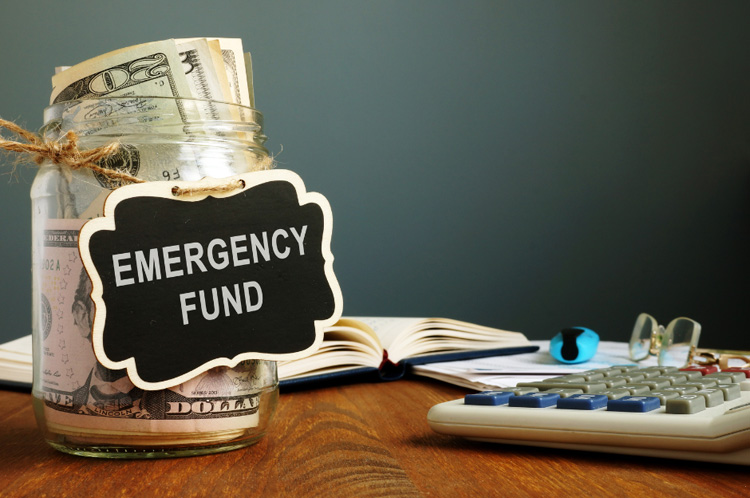
An emergency fund is money reserved specifically for unexpected expenses. Think of it as your family’s financial shock absorber. Its purpose is to protect you from relying on loans, credit cards, or borrowed money when something unexpected happens.
This fund should only be used for genuine emergencies such as hospitalization, job loss, urgent home repairs, major vehicle repairs, or other situations that directly affect your family’s well-being. An emergency fund is not for vacations, shopping, gadgets, or last-minute travel deals. Those expenses should come from separate savings goals.
The purpose of an emergency fund is simple: it gives your family breathing room when life becomes unpredictable.
Why Every Family Needs One
Many families assume that emergencies only happen to other people. Until one day, they’re the ones sitting in a hospital waiting room, facing an unexpected bill, or trying to figure out how to stretch their budget after losing a source of income.
Without savings, even relatively small emergencies can become stressful. A broken refrigerator might mean using a credit card. A medical procedure might require borrowing money from relatives. A sudden loss of income can force families to dip into funds meant for tuition, rent, or daily expenses.
An emergency fund doesn’t eliminate problems, but it helps prevent those problems from turning into financial disasters. More importantly, it provides peace of mind. Knowing that you have money set aside for difficult situations allows you to focus on solving the problem instead of worrying about where the money will come from.
How Much Emergency Fund Should You Have?
One of the most common questions people ask is how much they should save.Financial experts often recommend keeping three to six months’ worth of essential living expenses in an emergency fund.Notice that the recommendation is based on expenses—not income.
For example, if your family spends approximately ₱30,000 each month on necessities such as food, housing, utilities, transportation, and healthcare, your emergency fund target would be somewhere between ₱90,000 and ₱180,000. A family spending ₱50,000 per month would ideally aim for an emergency fund between ₱150,000 and ₱300,000.
While these numbers may seem intimidating at first, remember that emergency funds are built gradually. The goal is not to save everything immediately but to consistently move toward your target.
What Expenses Should Be Included?
When calculating your emergency fund goal, focus only on the expenses your family absolutely needs to survive. These typically include housing costs, groceries, utility bills, transportation, insurance premiums, healthcare expenses, and school-related necessities.
Optional spending such as dining out, entertainment subscriptions, vacations, and shopping should not be included in your emergency fund calculations. The purpose of this fund is to keep your household running during difficult times, not to maintain your lifestyle exactly as it is.
Being realistic about your essential expenses can help you determine a savings target that is both practical and achievable.
Where Should You Keep Your Emergency Fund?
An emergency fund should be accessible but not too accessible. You want to be able to get to the money quickly during an emergency, but you don’t want it sitting in the same account you use for daily spending.
Many Filipino families now choose to keep their emergency funds in high-interest savings accounts offered by digital banks. These accounts typically provide better interest rates than traditional savings accounts while still allowing easy access to funds when needed.
Others prefer to split their emergency fund between a traditional bank and a digital bank. This approach provides both convenience and flexibility. Whatever method you choose, the most important thing is keeping the money somewhere safe, secure, and separate from your regular spending account.
How to Build an Emergency Fund Without Feeling Overwhelmed
One reason many people delay saving is because they focus too much on the final target. Seeing a goal of ₱100,000 or more can feel impossible. Instead of focusing on the finish line, focus on the next step.
Your first goal could simply be saving ₱5,000. Then ₱10,000. Then ₱25,000. Every milestone matters.
Saving even a small amount consistently is more effective than waiting until you have extra money—which, for most families, never seems to arrive.
One practical strategy is to treat savings like a monthly bill. Set aside a fixed amount every payday before spending on non-essential items. Even a few hundred pesos saved regularly can grow significantly over time.
Should You Build an Emergency Fund Before Investing?
For most families, the answer is yes. Investing can help grow wealth over the long term, but investments can also fluctuate in value. An emergency fund serves a different purpose.
Its job isn’t growth. Its job is protection. Without an emergency fund, people often end up withdrawing investments at the worst possible time to cover unexpected expenses.
Building a financial safety net first creates a stronger foundation for future financial goals.
Emergency Fund vs Insurance
Many people wonder whether they need an emergency fund if they already have insurance. The reality is that they serve different purposes. Insurance helps protect you from large financial risks such as hospitalization, disability, or loss of income.
An emergency fund helps cover immediate and unexpected expenses that may not be fully covered by insurance. The strongest financial plan includes both.Insurance provides protection against major events, while an emergency fund provides flexibility and liquidity when you need cash quickly. Together, they help create financial stability for your family.
Common Mistakes Families Make
One of the biggest mistakes people make is using their emergency fund for non-emergencies. A discounted gadget isn’t an emergency. A vacation promo isn’t an emergency. A new phone isn’t an emergency. Once you start treating your emergency fund like a regular savings account, it loses its purpose.
Another common mistake is waiting for the perfect time to start saving. The perfect time rarely comes. There will always be bills, expenses, and reasons to postpone saving. The best time to start is now, even if the amount feels small.
As parents, we spend a lot of time planning for our children’s future. We think about education, healthcare, housing, and long-term goals. But sometimes the most important financial plan is preparing for the unexpected.
An emergency fund won’t make you rich overnight. It won’t double your money. It won’t impress anyone on social media. What it will do is provide peace of mind when life becomes difficult. And as a dad, that’s one of the most valuable things you can give your family.
Leave a Reply