One of the biggest lessons we can teach our children doesn’t come from a classroom. It happens at home.
Teaching kids to help with household chores isn’t about making them do extra work—it’s about helping them become responsible, capable, and confident individuals. Whether it’s putting away toys, feeding the family pet, or helping prepare dinner, every small task teaches valuable life skills they’ll carry into adulthood.
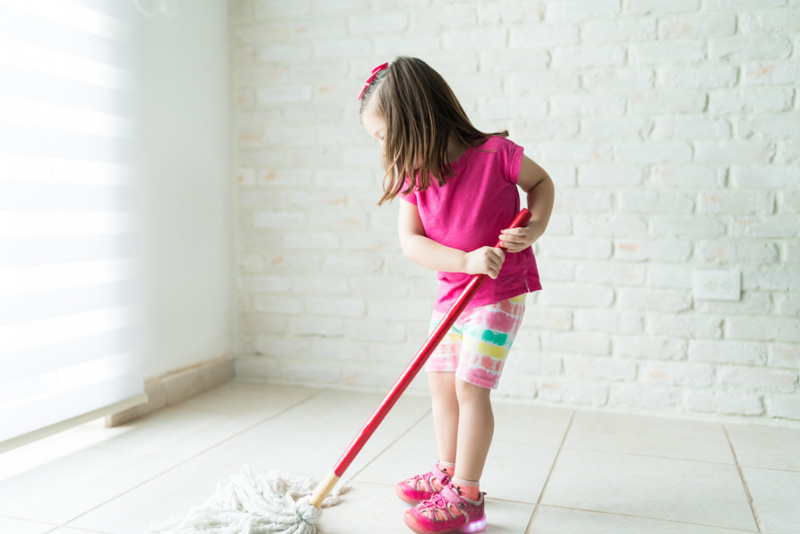
As parents, it’s easy to do everything ourselves because it’s often quicker and easier. But involving our kids in everyday household responsibilities helps them understand that a home is something everyone takes care of together.
The key is giving them chores that match their age and abilities.
Why Chores Matter
Children learn responsibility by practicing it. When kids contribute to the household, they begin to understand teamwork, accountability, and the importance of helping others. Chores also help develop independence, problem-solving skills, time management, and self-confidence.
More importantly, children who grow up helping around the house often become adults who are comfortable managing everyday responsibilities on their own.
The goal isn’t perfection. The goal is participation.
Chores for Toddlers (Ages 2–3)
At this age, chores should feel like fun rather than work. Toddlers naturally enjoy copying what adults do, making it the perfect time to introduce simple responsibilities.
Some age-appropriate chores include:
- Putting toys back in bins
- Throwing trash into the garbage can
- Placing dirty clothes in the laundry basket
- Helping wipe small spills with supervision
- Putting books back on a shelf
Don’t expect perfect results. Celebrate the effort instead.
Chores for Preschoolers (Ages 4–5)
As children grow, they can begin following simple instructions and completing small tasks independently.
Good chores for preschoolers include:
- Making their bed (with help)
- Watering plants
- Feeding pets with supervision
- Setting the dining table
- Matching socks after laundry
At this stage, encouragement works much better than criticism.
Chores for Early Elementary Kids (Ages 6–8)
School-age children are capable of handling more responsibility.
Consider introducing chores such as:
- Sweeping small areas
- Clearing the dining table after meals
- Organizing school supplies
- Folding simple laundry like towels
- Helping prepare easy snacks
These responsibilities also help children develop routines they can carry into adulthood.
Chores for Older Kids (Ages 9–12)
By this age, many children are ready for more challenging household tasks.
Examples include:
- Vacuuming common areas
- Washing dishes
- Loading and unloading the dishwasher
- Taking out the trash
- Helping cook simple meals
Giving kids ownership over specific responsibilities helps build consistency.
Chores for Teenagers (Ages 13 and Up)
Teenagers should gradually learn many of the skills they’ll eventually use when living independently.
Suitable chores include:
- Cooking basic family meals
- Doing their own laundry
- Cleaning bathrooms
- Mowing the lawn (when appropriate)
- Grocery shopping with a parent
- Washing the family car
- Looking after younger siblings for short periods
- Managing their own room completely
- Helping organize family errands
- Preparing simple packed lunches
These aren’t just chores—they’re life skills.
Should Kids Get Paid for Chores?
This is one of the most common parenting questions. There isn’t one right answer. Some families believe household chores should be part of contributing to the family and shouldn’t be tied to payment.
Others use allowances to teach money management and financial responsibility. A balanced approach works well for many families.
Everyday responsibilities — such as making the bed or cleaning up after yourself — can simply be expected as part of family life. Extra tasks beyond regular responsibilities can become opportunities to earn additional allowance.
This teaches children that while everyone contributes to the household, extra effort can also be rewarded.
How to Make Chores Less Stressful
Children are more likely to help when chores become part of a routine rather than a punishment. Keeping expectations realistic is important. A six-year-old won’t fold clothes perfectly, and that’s okay. Praise effort, be patient while they learn, and remember that teaching takes time.
Some families also find it helpful to use chore charts or simple checklists so children can track their responsibilities. Most importantly, work alongside them occasionally. Kids often enjoy chores more when they feel like they’re spending time with their parents instead of simply being assigned work.
Life Lessons Chores Teach
The benefits of chores go far beyond having a cleaner house. Children learn that everyone contributes to the family. They discover the satisfaction of completing a task, the importance of keeping promises, and the value of helping others.
Perhaps most importantly, they develop confidence. Every time a child successfully completes a responsibility, they’re reminded that they’re capable of doing hard things. That’s a lesson worth teaching.
As a parent, I’ve learned that it’s tempting to do everything for our kids because it’s faster. But our job isn’t just to make life easier for them today.
It’s to prepare them for tomorrow. Teaching children to help around the house isn’t about raising little housekeepers.
It’s about raising responsible adults who understand that every family works best when everyone does their part. The earlier we start, the more natural those habits become.
Leave a Reply