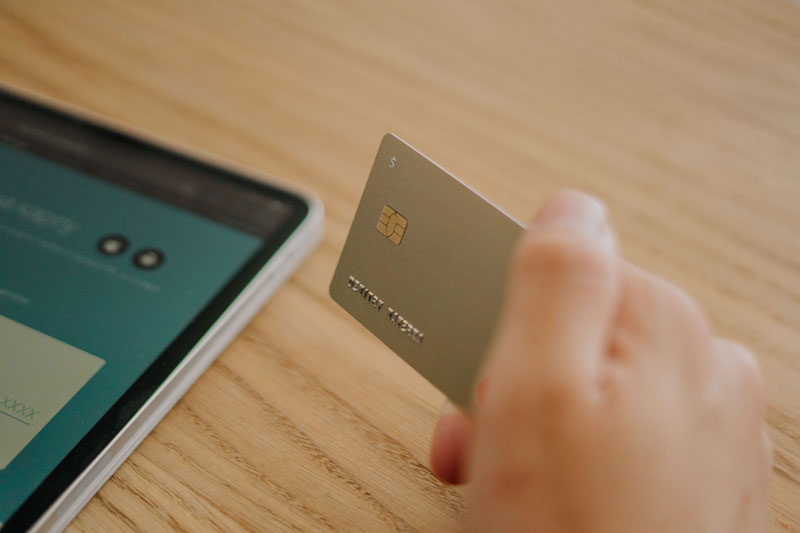
A credit card can either become one of your family’s most useful financial tools—or one of its biggest financial headaches.
The difference isn’t the card itself. It’s how you use it.
For many Filipino families, a credit card isn’t about buying things they can’t afford. It’s about making everyday expenses work a little harder. Whether you’re paying for groceries, filling up the family car, booking flights, or purchasing school supplies, the right credit card can help you earn rewards, enjoy cashback, or simply make managing your monthly expenses more convenient.
If you’re thinking about getting your first card or replacing your current one, here’s what every parent should know before applying.
Should Every Family Have a Credit Card?
The answer depends on your spending habits.
If you regularly pay your balance in full every month, a credit card can offer valuable benefits such as purchase protection, rewards points, travel perks, and cashback on everyday spending.
However, if you tend to carry balances month after month, interest charges can quickly outweigh any rewards you earn.
A credit card should support your financial goals—not create new financial problems.
What Makes a Good Family Credit Card?
Not every card is designed for the same type of spending.
A family that spends heavily on groceries may benefit from a cashback card, while a family that travels frequently might get more value from travel rewards and airport lounge access.
Before choosing a card, consider your household’s monthly expenses. Think about where most of your money goes. Is it groceries? Fuel? Dining? Online shopping? School expenses?
Choosing a card that matches your lifestyle will help you maximize its benefits.
Features Worth Looking For
When comparing credit cards, don’t focus only on welcome gifts or promotional offers.
Instead, pay attention to long-term value.
Look for cards that offer competitive cashback on everyday purchases, generous rewards programs, reasonable annual fees, strong security features, and a user-friendly mobile banking app.
It’s also worth checking whether the issuing bank frequently runs promotions with supermarkets, restaurants, fuel stations, and online shopping platforms that your family already uses.
Cashback vs Rewards Points
This is one of the most common questions among first-time cardholders.
Cashback cards return a percentage of your spending, making them a popular choice for families with predictable monthly expenses like groceries and utilities.
Rewards cards allow you to earn points that can later be redeemed for merchandise, travel, shopping vouchers, or gift certificates.
Neither option is universally better.
The best choice depends on your spending habits and what you value most.
Is It Worth Paying an Annual Fee?
Some premium cards charge annual fees in exchange for additional benefits such as travel insurance, airport lounge access, concierge services, and higher rewards rates.
If you’ll actually use those benefits, the annual fee may be worthwhile.
For many families, however, a card with a lower annual fee—or one that regularly waives the fee—may offer better overall value.
Common Credit Card Mistakes Parents Should Avoid
Many financial problems begin with small habits.
One common mistake is treating a credit card as extra income instead of borrowed money.
Another is making only the minimum payment each month, which allows interest charges to grow over time.
It’s also easy to apply for multiple cards simply because they’re available. While having more than one card can be useful in certain situations, managing several accounts requires discipline and organization.
Perhaps the most important rule is this: never spend money on a credit card that you wouldn’t comfortably pay for with cash.
Tips for Using Credit Cards Responsibly
A credit card works best when it’s part of a well-planned household budget.
Try to pay your balance in full every billing cycle to avoid interest charges. Set payment reminders or enable automatic payments if possible. Review your monthly statements carefully, not only to check for errors but also to understand your family’s spending patterns.
Many banking apps also allow you to track transactions in real time, making it easier to stay within budget.
Should You Use a Credit Card for Big Purchases?
Sometimes.
If you’re purchasing appliances, gadgets, or travel tickets and can comfortably pay the balance before interest is charged, a credit card can provide additional protection and rewards.
However, avoid using credit cards to finance purchases you cannot realistically afford.
Interest charges can quickly turn a good deal into an expensive one.
I don’t think a credit card is something families should fear. It’s simply a financial tool. Like any tool, its value depends on how it’s used. Used responsibly, a credit card can help simplify payments, earn rewards on everyday spending, and even provide additional protection for purchases.
Used carelessly, it can become an expensive source of debt. The goal isn’t to have the most premium card. It’s to choose one that fits your family’s lifestyle and to use it wisely.
Leave a Reply